%20JPEG_edited_edi.jpg)


How To Take Care Of Your Custom Suit?

Why Does Custom Suit Care Matter?
A custom suit is an investment, both financially and in craftsmanship. Unlike off-the-rack, a custom suit is built using higher-quality fabrics, structured canvassing, and precise measurements. Protecting that investment ensures the suit continues to perform as intended.
Proper care significantly extends a suit’s lifespan. With consistent maintenance, a well-made custom suit can remain wearable for ten to fifteen years or longer. Without it, fabric fatigue, loss of shape, and visible wear can appear within a few seasons.
Appearance is another key factor. A suit that is wrinkled, misshapen, or tired-looking undermines the purpose of wearing one. Care routines help the suit maintain its structure and present well throughout the day, not just when first put on.
Fabric quality and fit are closely linked to care habits. Natural fibres such as wool, linen, and cotton respond to rest, airflow, and gentle cleaning. When handled correctly, they retain texture, drape, and shape far longer than when exposed to aggressive cleaning or poor storage.

How Often Should You Clean Your Custom Suit?
One of the most common mistakes is cleaning too frequently. A custom suit should typically be dry cleaned only two to three times per year, or when absolutely necessary.
Dry cleaning chemicals are effective at removing stains and odours, but they also strip natural oils from fibres. Over time, frequent cleaning weakens the fabric and places stress on seams and internal construction. In many cases, cleaning does more harm than everyday wear.
Spot cleaning is often sufficient. For small spills or marks, a damp cloth with mild soap can address the issue if done promptly. Blotting gently helps lift the stain without damaging the surface.
After each wear, the suit should be aired out. Hanging it in a well-ventilated space for at least twenty-four hours allows moisture to evaporate and fabric to recover its shape. Many suits that feel “used” simply need air rather than cleaning.
What's The Best Way To Store A Custom Suit?
Storage plays a major role in maintaining a suit’s structure.
Wide wooden hangers are essential. They support the jacket’s shoulders properly and prevent dents or stretching that occur with thin or wire hangers.
Garment bags should be breathable. Cotton or canvas covers protect against dust while allowing airflow. Plastic bags trap moisture and increase the risk of mildew, particularly in humid environments.
Suits should be stored in a cool, dry closet away from direct sunlight. Sun exposure fades fabric and weakens fibres, while heat and humidity encourage wrinkles and odours.
Allowing at least one full day of rest between wears gives the fabric time to recover. Rotating suits, even within a small wardrobe, greatly extends their usable life.
Cedar blocks or hangers help deter moths and absorb unwanted smells. They should be refreshed periodically to remain effective.

How Do You Remove Wrinkles From Custom Suit Without Damaging The Fabric?
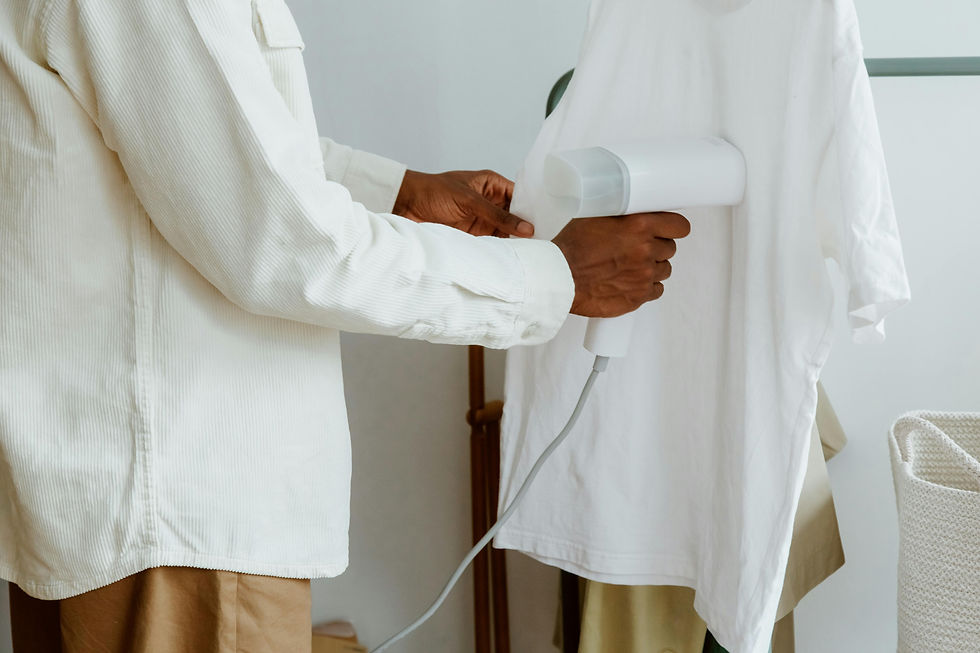
Steaming is the safest option for wrinkle removal. Steam relaxes fibres without direct contact, preserving both fabric and internal structure. A handheld steamer or professional steaming service works well.
If ironing is necessary, it should be done cautiously. Low heat and a pressing cloth are essential. The iron should be pressed gently rather than dragged across the fabric. Areas such as the shoulders and chest should be avoided, as internal canvassing can be affected.
An alternative method is hanging the suit in a steamy bathroom. This helps release minor wrinkles and refreshes the fabric without heat exposure.
What Should You Do About Common Suit Problems?
Small issues should be addressed early.
Loose buttons and minor tears are simple repairs when caught in time. Delaying repairs often leads to larger problems that are harder to fix discreetly.
Odours are best handled through ventilation. Fabric refreshers can be used sparingly, but overuse leads to buildup. Persistent smells may require professional cleaning, though airing out should always be tried first.
Shine on elbows or the seat develops from friction. Gentle brushing helps prevent it. For existing shine, a diluted vinegar solution may help, though professional attention is recommended for severe cases.

How Can You Prevent Suit Damage?
Preventive habits make the biggest difference.
Pockets should always be emptied before storing. Phones, wallets, and keys stretch fabric and distort shape when left overnight.
Suits should be rotated regularly. Wearing the same suit on consecutive days places unnecessary stress on the fabric.
Brushing after each wear removes surface dust and prevents particles from settling into fibres. Brushing should follow the direction of the weave.
Care around food, drinks, and sharp surfaces reduces accidental damage. Many issues arise from brief moments of inattention rather than long-term use.
Ready to Take Care of Your Next Suit?
A custom suit rewards proper care. Quality construction, internal structure, and natural fabrics perform best when treated thoughtfully over time. At Paul’s Fashion Samui, custom suits are made with longevity in mind. With the right care, they maintain their fit, appearance, and comfort year after year.
Visit us to discuss custom tailoring and receive guidance on how to care for a suit built to last.
Send us an email at info@paulfashionsamui.com or call us at +66 84 627 3812 to schedule your fitting. We’re also available on WhatsApp at the same number.


Comments